The Backs Between Bridges
From Magdalene Bridge toward Silver Street, historic façades frame mirror‑smooth water. Under arches, swallows stitch curving lines, and moorhens slip beneath roots where lawns meet river. Glide slowly past college gardens, watching overhanging cherries feed thrushes in late summer. Traffic can thicken on sunny weekends; patience opens windows between punts when wildlife resumes its everyday, unselfconscious routines.
Grantchester Meadows and Willow Curves
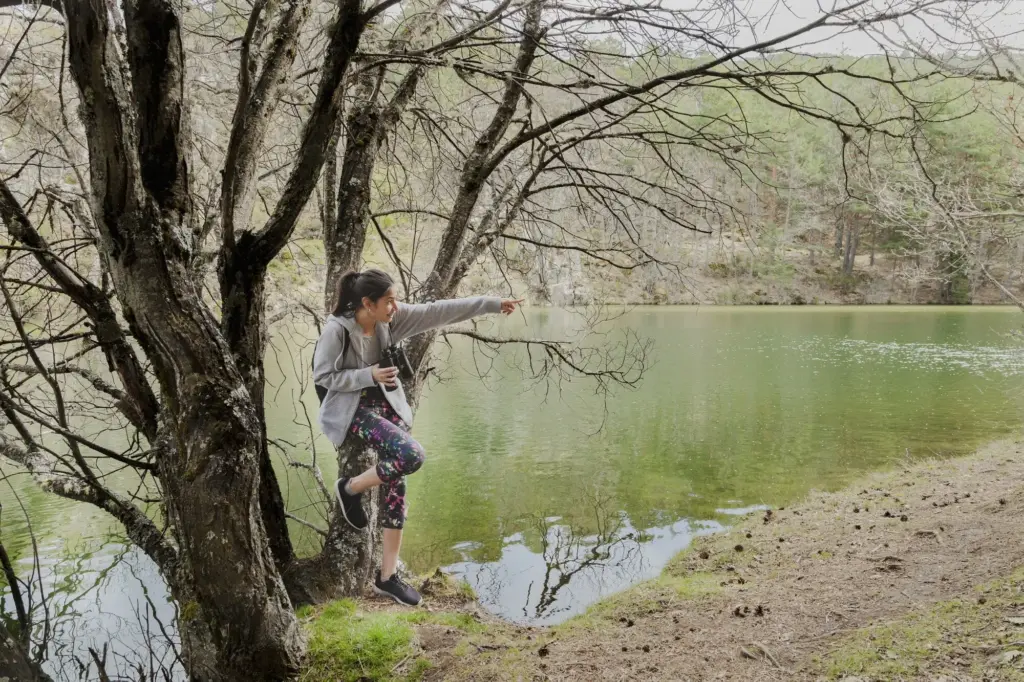
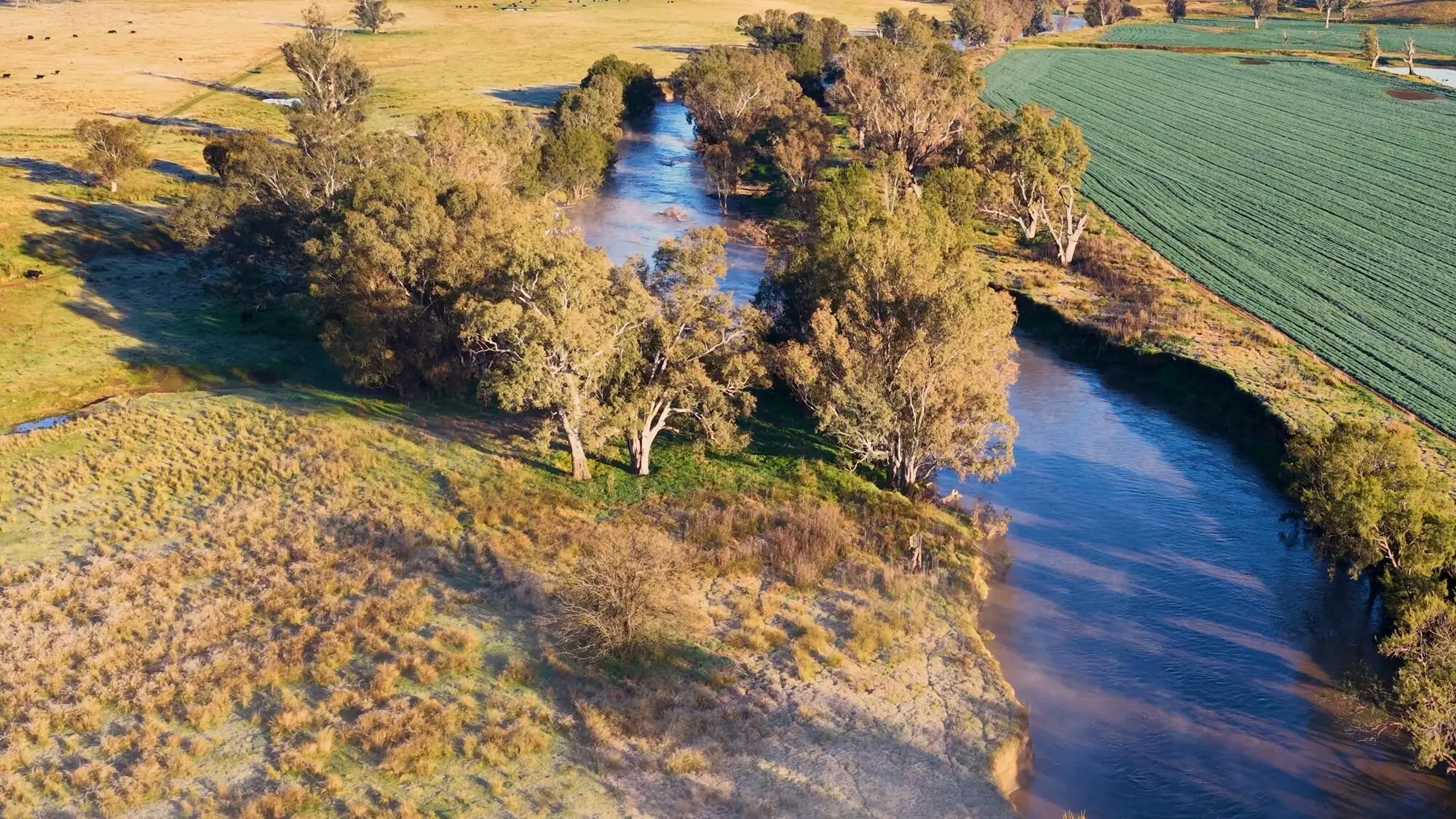
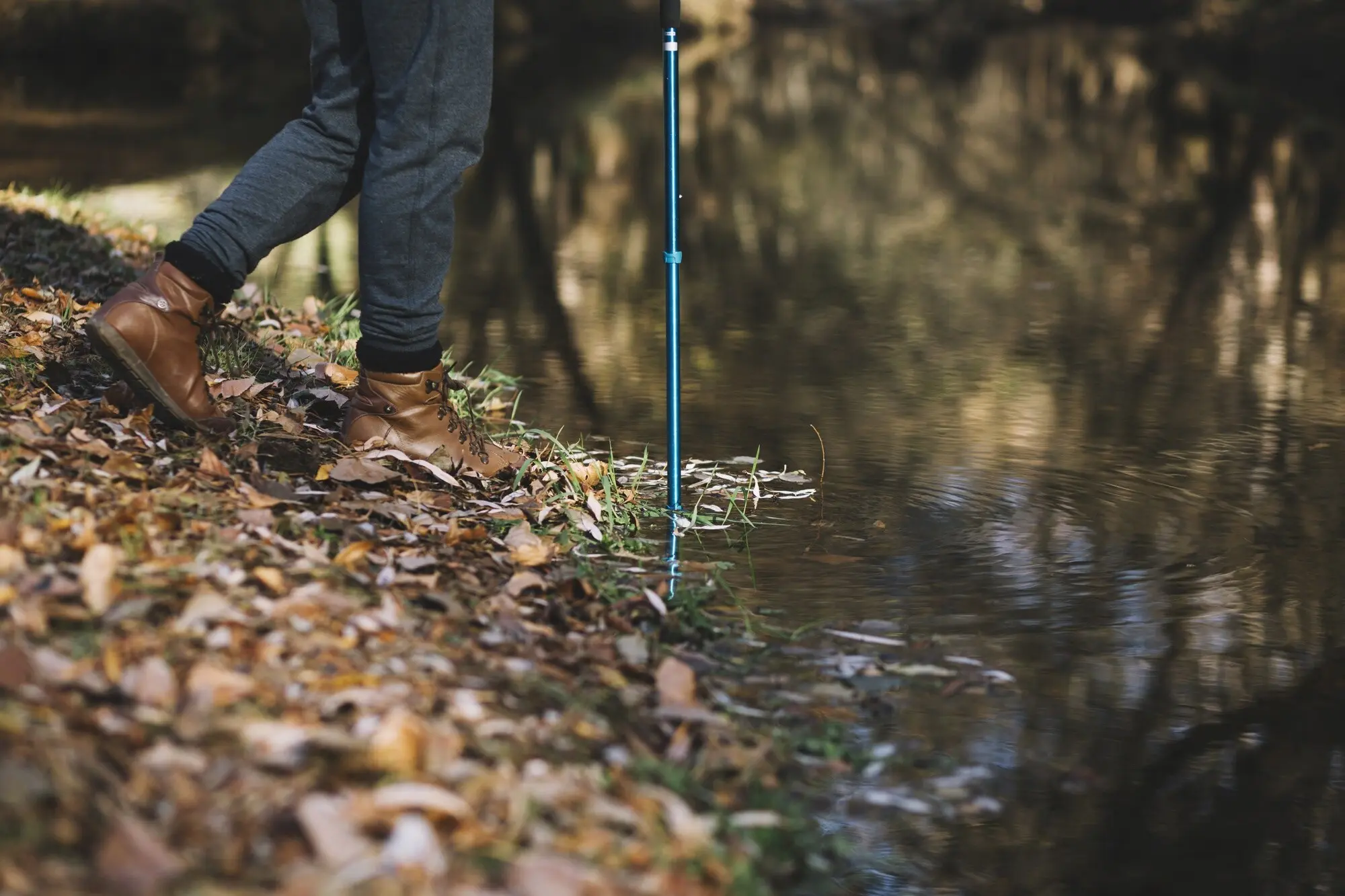
Upstream, the river loosens its tie and unbuttons the collar. Willows lean confidentially, cattle graze unbothered, and reeds rustle without hurry. Here, dragonflies gather in lucid numbers, and a kingfisher sometimes guards a favorite snag. Plan a picnic, but pack your litter home. As shadows lengthen, listen for the soft question marks of owls along hedgerows escorting you toward evening.
Dawn Chorus, Golden Hour, Moonlit Glide
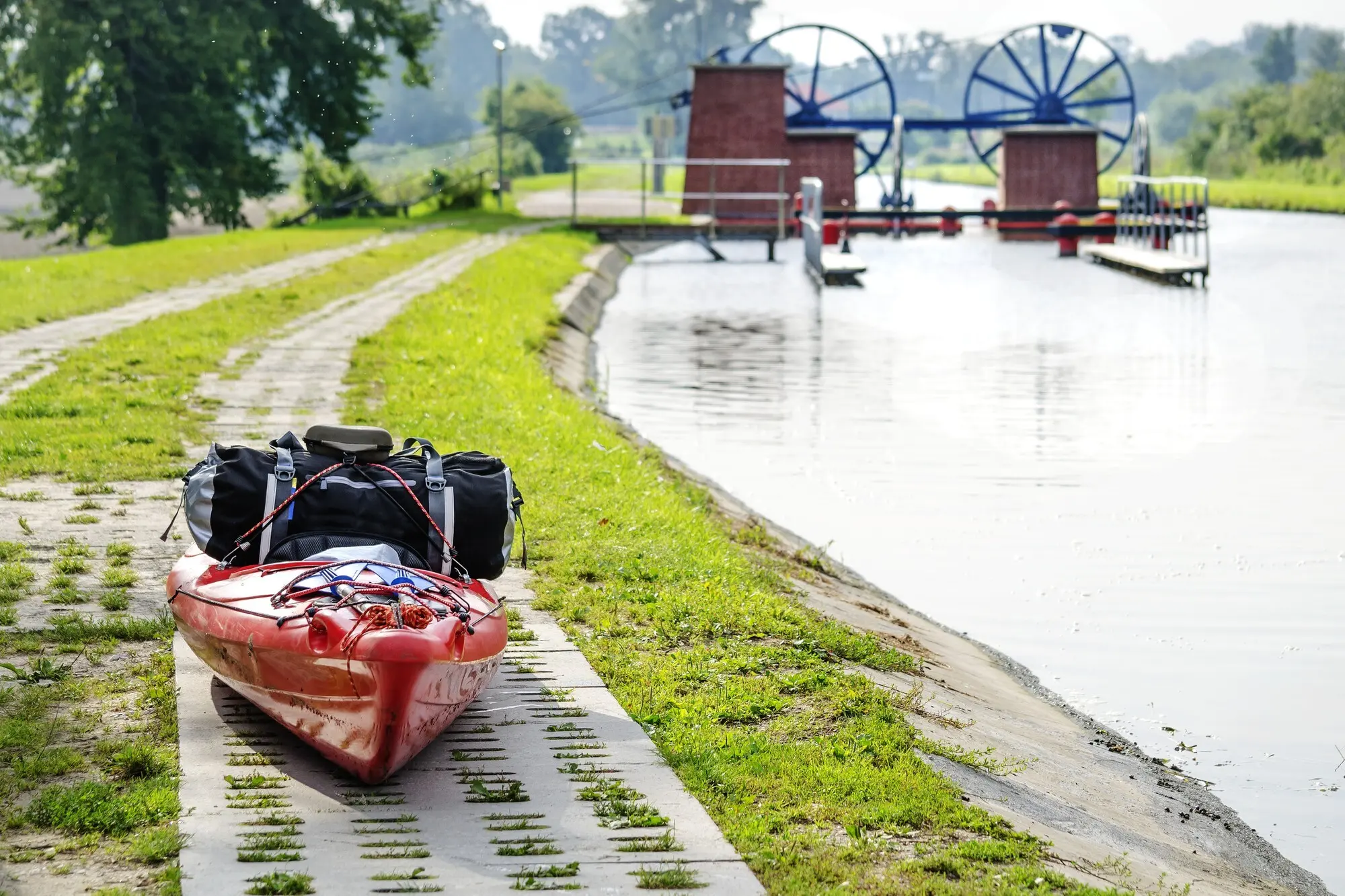
Set out before lectures begin, when mist sits low and the first calls layer into delicate harmony. Golden hour paints every feather with forgiving light for photographs you hardly need to edit. After sunset, the river learns new grammar—bats punctuate, moorhens whisper, and distant bells provide rhythm. Choose the slot that suits your heart; the Cam keeps generous schedules.