Drift, Frame, and Capture the Cam Through the Year

Settle into a gently gliding punt and let this seasonal photography guide lead you to unforgettable images of Cambridge landmarks from the River Cam. From King’s College Chapel glowing at golden hour to the Mathematical Bridge at blue twilight and the dreamy hush beneath St John’s Bridge of Sighs, you will learn gear choices, timing, vantage points, and creative approaches that work from a moving boat. Expect practical tips, small stories from dawn launches, and respectful river etiquette. Share your best shots in the comments, ask questions, and subscribe for future river assignments and friendly critiques.

Getting Ready on the River: Gear, Safety, and Stability

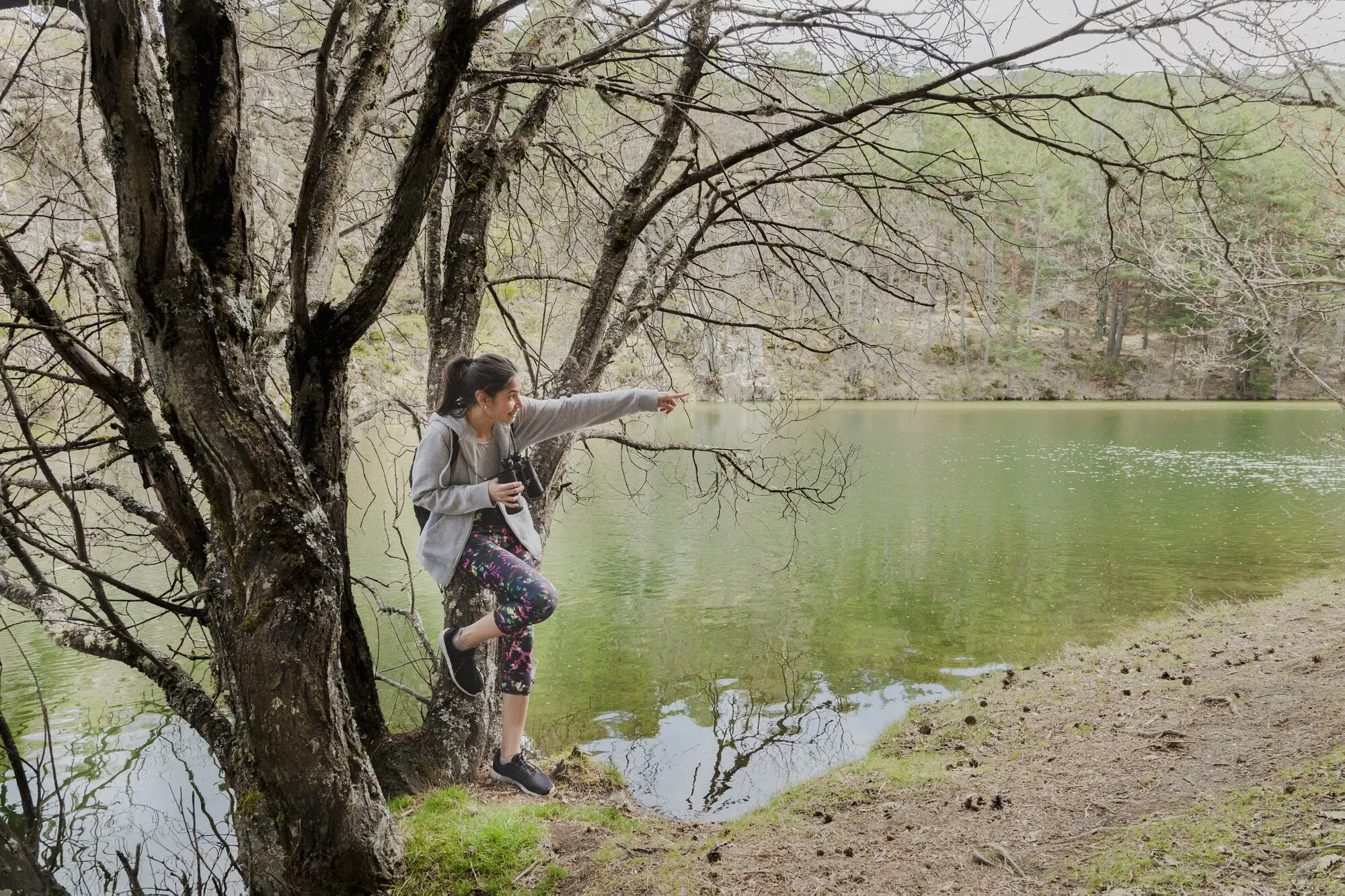
Photographing from a punt rewards thoughtful preparation. Pack a weatherproof bag, microfibre cloths, spare batteries, and lens wipes, add a polarising filter for glare control, and consider a small variable ND for flexible shutter speed choices. Wear non-slip shoes, keep gear leashed, balance weight in the boat, and ask your punter to pause when aligning a shot. Tell us what kit you trust on moving water and which settings gave you keepers.

A compact kit that punches above its weight

Choose a light body with strong stabilisation, a fast normal zoom, and a short telephoto for compressed perspectives from low vantage points. Add a circular polariser, pocketable rain cover, and clip-on filter adapter for phones. Keep batteries warm, cards dry, and your lens hood on to fight stray droplets and flares during quick pivots.
Keeping cameras safe on wood and water

Protect your camera with a wrist strap or sling, tether small accessories, and park spare lenses inside a dry bag beside your feet. Line the punt floor with a towel for grip, then brace your elbows on knees. Silica gel helps after misty mornings, and anti-fog wipes save you when breath condenses in cold air.
Stabilising shots without a tripod

Use the boat as a stabiliser by resting the camera on the gunwale, keeping your spine tall, and timing shots for the brief stillness after each push of the pole. Choose faster shutter speeds, enable burst mode, and lean into intentional motion blur when the scene suits soft painterly energy.
Reading Light and Timing Along The Backs

Light changes quickly along the Backs, filtered by willows, college facades, and low bridges. Dawn offers quiet water, midday brings reflective glare, and late afternoon gilds towers and chapels. Learn where the sun travels each season, how to angle for reflections, and when to wait for punts to clear foreground distractions before committing to a frame.

Spring Along the Cam: Blossom, Breezes, and New Angles

Spring rewards patience with capricious skies, tender foliage, and playful breezes that ripple reflections into silver calligraphy. Between showers, blossom drifts past the punt, lambent greens wrap college walls, and wildlife wakes noisy and curious. Carry a rain cover, anticipate sudden shafts of light, and weave gentle human moments into revived architectural backdrops.

Fresh greens frame the Wren Library

New leaves along Trinity and the Backs soften brick and stone, creating natural vignettes when you frame carefully from the low seat. Focus a third into the scene, and let a mid-telephoto compress foliage layers around the Wren Library’s clean lines, yielding a calm balance between botanical detail and intellectual grandeur.

Rain showers as natural diffusers

Do not fear a passing shower. Cloud acts like a giant softbox, saturating colours and taming specular highlights on wet stone. After rain, droplets bead along gunwales and leaves, catching highlights that sparkle at wide apertures. Keep a chamois ready, and capture that hush when tourists briefly take shelter.

Wildlife moments without disturbing nests

Swans, coots, and ducks patrol nests under bridges in spring, and respectful distance matters. Use longer focal lengths, stay seated to keep low, and pre-focus where they travel. Compose with leading lines from the pole’s wake, then let behaviour, not baits or calls, dictate each frame’s timing and story.

Summer Brightness: Heat, Crowds, and High Sun

Finding calm amid peak-season traffic

Plan midweek mornings, or steer toward quieter stretches past Magdalene Bridge, where tour density thins. Agree hand signals with your punter, ask for a gentle pause, and anticipate traffic gaps near photogenic corners. Compose wider, then crop later if motion surprises you, preserving decisive gestures without sacrificing architectural presence.

Taming glare and ripples for mirror-like reflections

Plan midweek mornings, or steer toward quieter stretches past Magdalene Bridge, where tour density thins. Agree hand signals with your punter, ask for a gentle pause, and anticipate traffic gaps near photogenic corners. Compose wider, then crop later if motion surprises you, preserving decisive gestures without sacrificing architectural presence.

Storytelling with people and place

Plan midweek mornings, or steer toward quieter stretches past Magdalene Bridge, where tour density thins. Agree hand signals with your punter, ask for a gentle pause, and anticipate traffic gaps near photogenic corners. Compose wider, then crop later if motion surprises you, preserving decisive gestures without sacrificing architectural presence.

Autumn Colour: Copper, Crimson, and Cambridge Stone

Autumn lays copper and crimson against creamy limestone, and low sun stretches textures across centuries-old walls. Breath hangs above cold water, and punts glide through leaves like confetti. Work warm white balance, favour side light, and lean into reflections that braid colour with heritage for frames that feel both celebratory and contemplative.

Winter Quiet: Frost, Fog, and Blue-Hour Bravery

Winter shortens days yet gifts generous soft light and blissfully quiet water. Dress warmly, choose gloves that permit dexterity, and check river conditions before departure. Expect earlier closures and fewer tours, making minimal scenes easier. Work monochrome when colour fades, and linger for luminous blue hour that flatters centuries of craftsmanship.

Composing minimal scenes near Clare Bridge

Find clean shapes where stone meets still water near Clare Bridge, and simplify further by excluding sky. Let the celebrated orbs on the balustrade punctuate negative space, and expose carefully to hold texture in pale limestone. Consider black and white to amplify geometry and the hush of winter quiet.

Handling condensation from cold-to-warm transitions

Moving from cold air into warm interiors fogs equipment fast. Before going inside, seal your camera in a zip bag so condensation forms on plastic, not glass. Give the kit time to acclimatise, swap cloths frequently, and resist wiping internal fog that only smears and prolongs distortion.

Long exposures from a moving platform

Long exposures from a punt ask for creativity. Rest the camera lightly, press the shutter at the top of a gentle sway, and explore quarter to half second blur that traces reflections into elegant arcs. Combine multiple frames later for painterly composites, and invite critiques by sharing experiments below.
Laxilorosirakira
Privacy Overview

This website uses cookies so that we can provide you with the best user experience possible. Cookie information is stored in your browser and performs functions such as recognising you when you return to our website and helping our team to understand which sections of the website you find most interesting and useful.