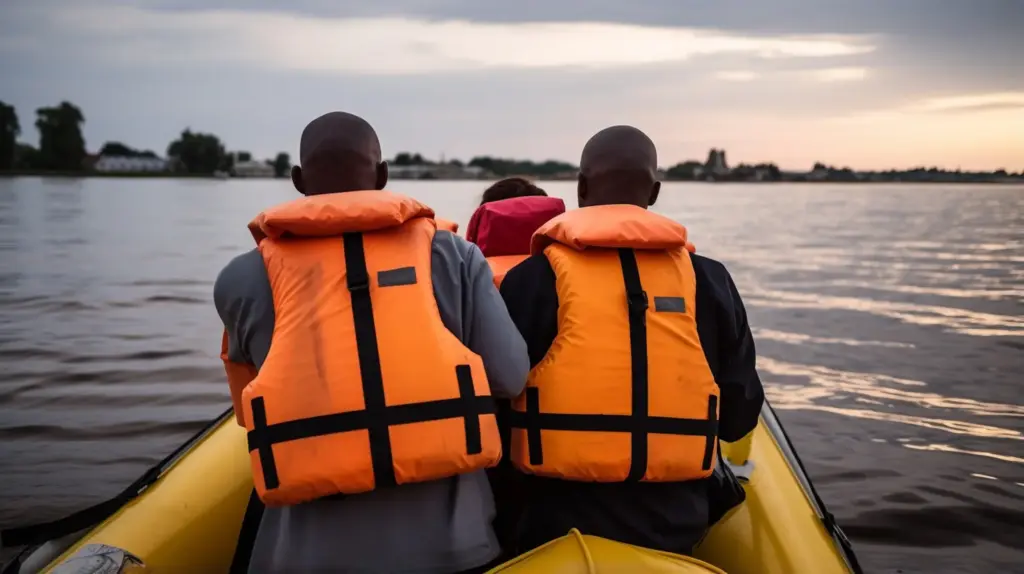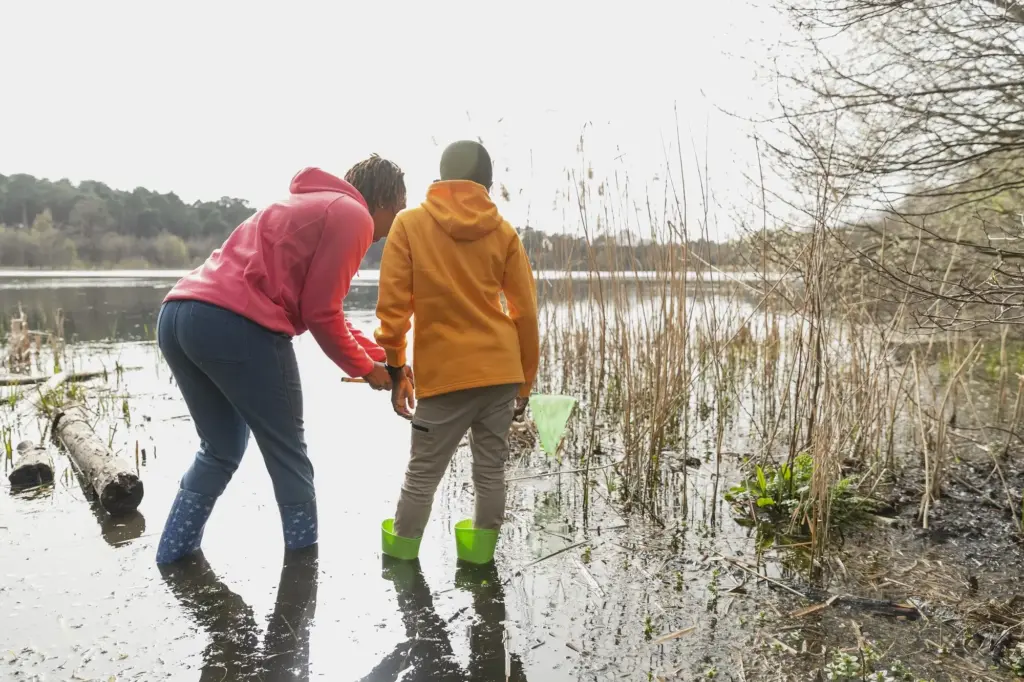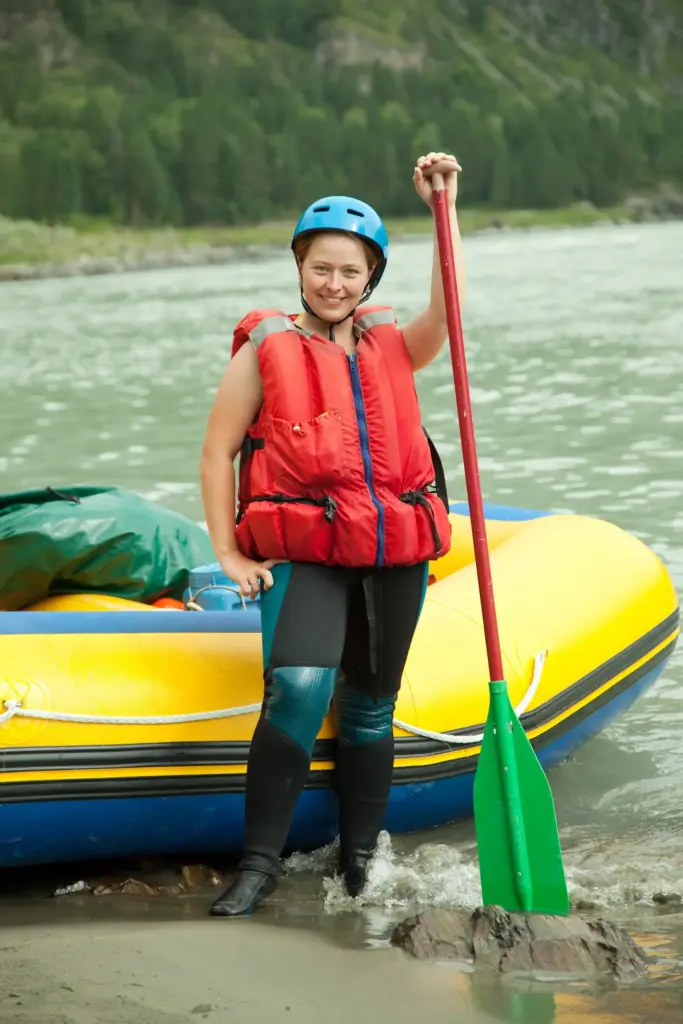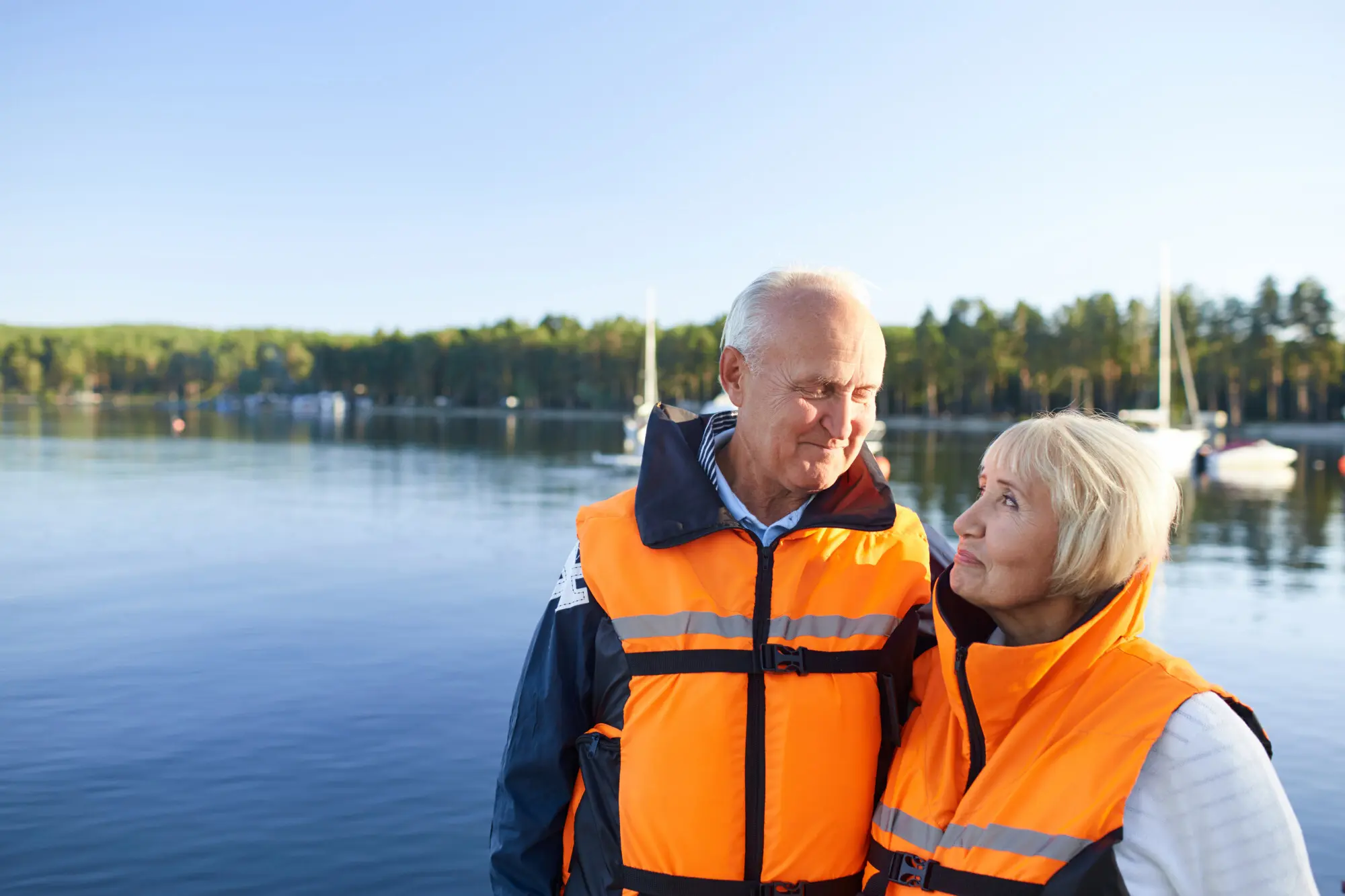
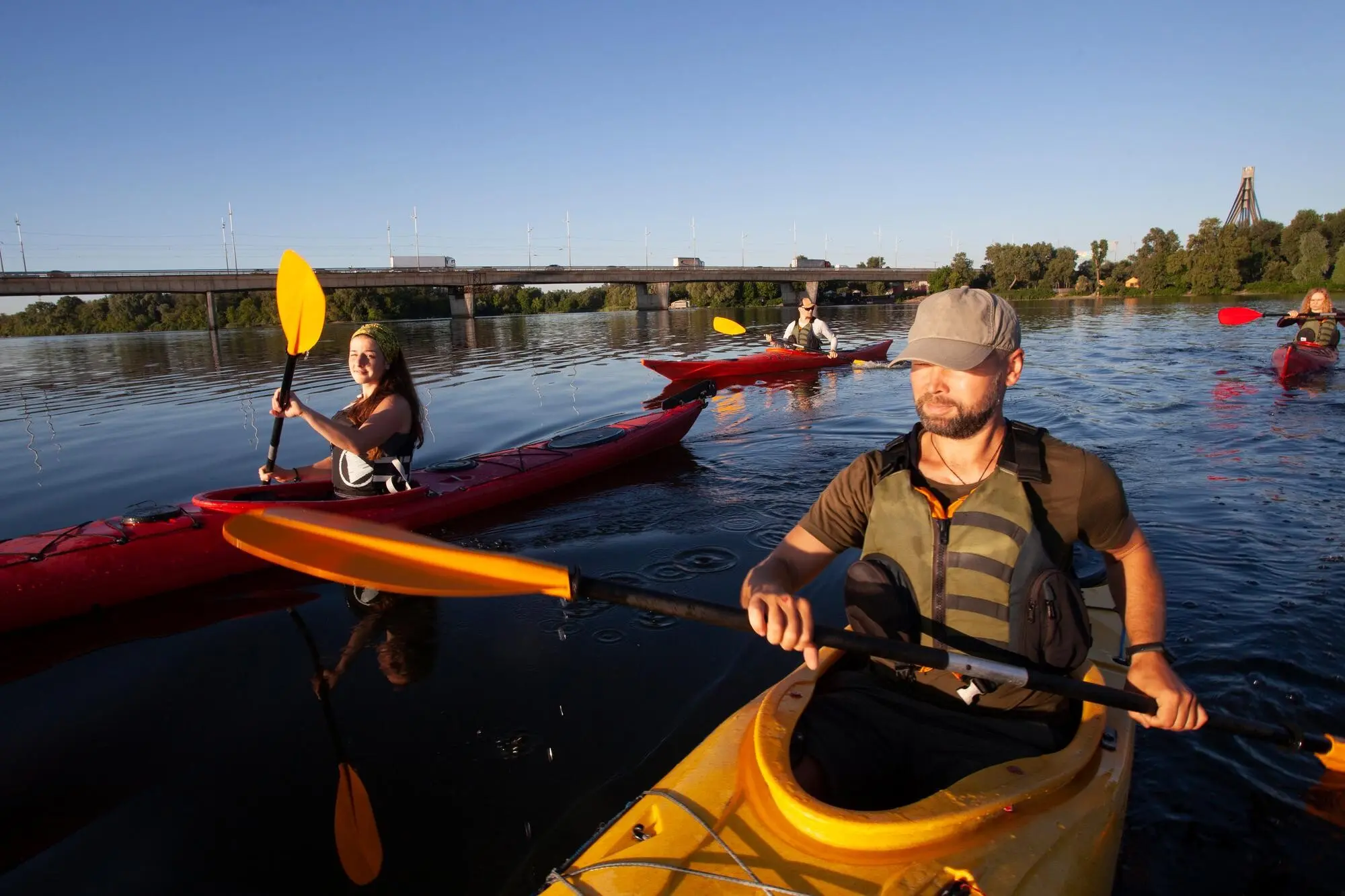
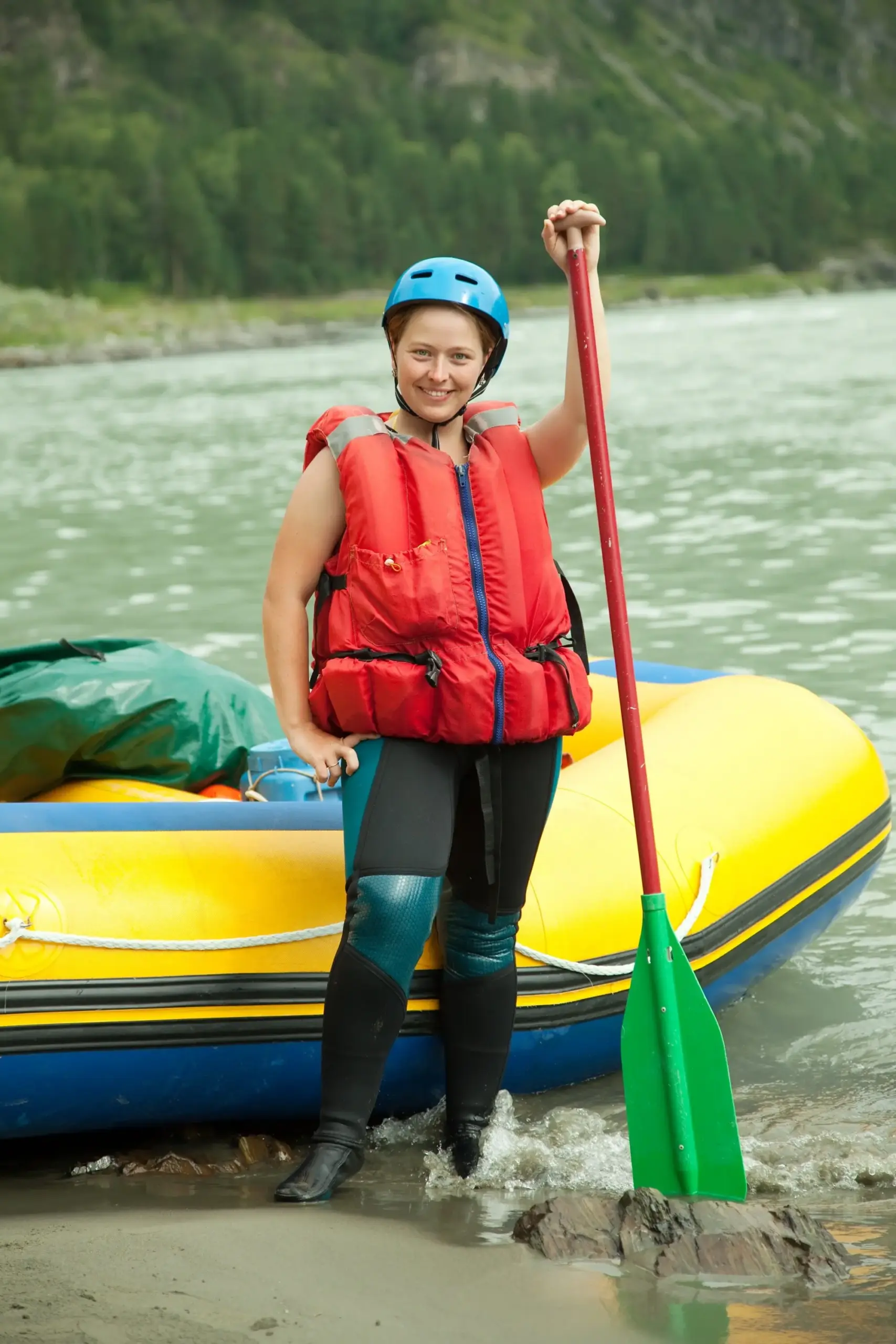
Begin with moisture-wicking merino or technical synthetics, add a breathable fleece or light insulated mid-layer, then finish with a windproof, rain-resistant shell. This trio manages sweat on warm pulls and blocks chills in shade. Keep cuffs trim, hems short, and scarves tidy so nothing snags when stepping between banks and boat.
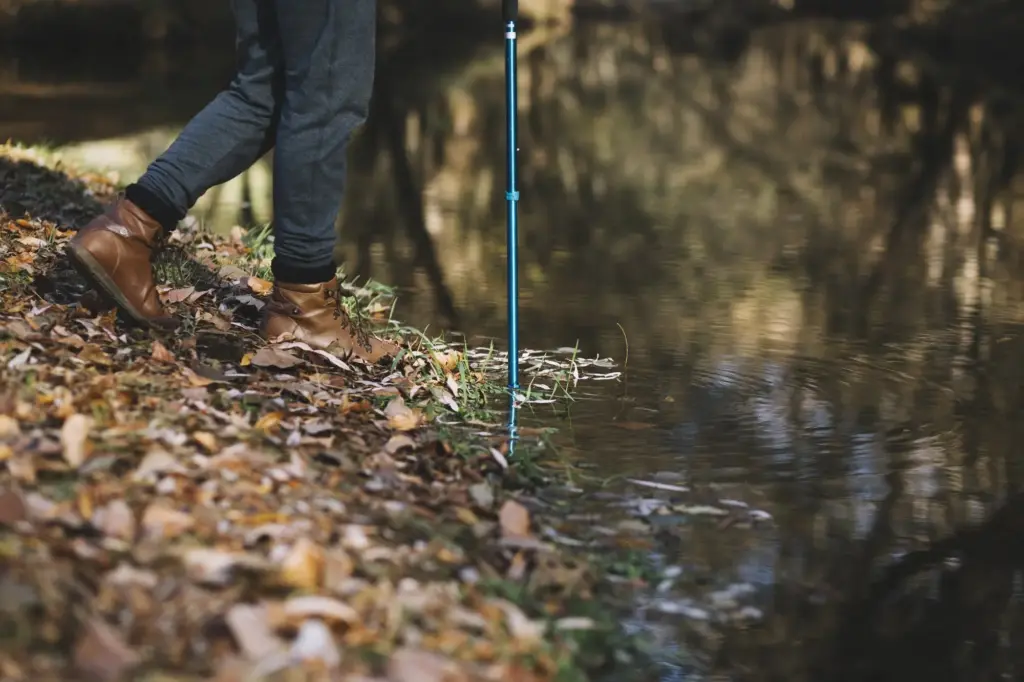
Closed-toe shoes with textured rubber outsoles handle wet wood and slippery landings far better than sandals or heels. Think trainers, deck shoes, or light hiking styles with secure lacing. Pair with thin wool or synthetic socks that dry fast, and pack a spare set in case spray or showers strike.
Choose stretch-woven trousers or shorts that won’t bind at the knee, and tops that won’t billow into oars or catch the pole. Avoid long coats that drag across damp gunwales. Soft waistbands, unobtrusive pockets, and streamlined cuts keep every transition smooth, balanced, and photo-ready without fuss or fidgeting.
Apply broad-spectrum SPF 30 or higher thirty minutes before boarding and reapply every two hours. Add a brimmed hat with a chin cord, UV-rated sunglasses with a retainer strap, and SPF lip balm. Light, long-sleeved UPF fabrics protect better than cotton vests while keeping you comfortably cool on idle stretches.
Choose ventilated shirts, open-weave socks, and quick-drying shorts that won’t cling after a splash. Skip heavy denim and thick cotton that trap moisture. Pack cold water, electrolytes, and a small microfiber towel. If you swim later, a compact sarong doubles as shade, seat cover, or discreet changing helper.

Look for a hooded jacket with a stiffened brim, taped seams, and pit zips so breathability matches effort when poling or paddling. Waterproof trousers or a packable over-skirt shield laps from spray. A lightweight poncho helps passengers, but avoid loose excess fabric that catches wind or blocks visibility.
A 10–20 liter roll-top dry bag swallows layers, wallet, and snacks, while small zip pouches protect phones and maps. Line ordinary totes with a trash bag if improvising. Some operators provide canopies; ask ahead. Umbrellas are risky on gusty bends and steal precious space from companions’ elbows.
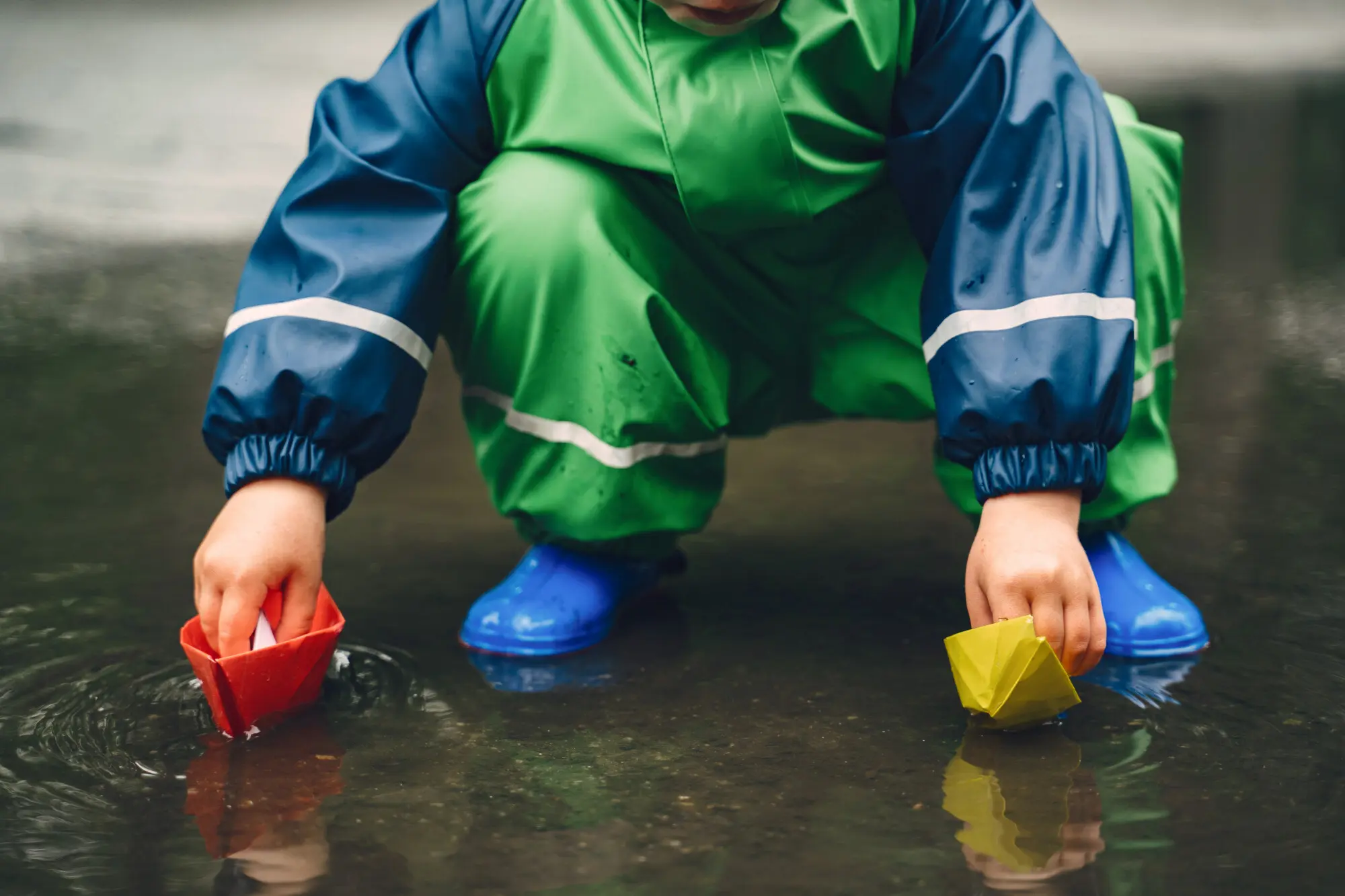
Carry a compact microfiber towel for seats and shoulders, plus spare socks in a sandwich bag. Tuck a silicone cup or reusable lid for warm café stops afterward. Hand sanitizer, tissues, and a tiny sachet of hot chocolate powder transform drippy detours into oddly cozy interludes between colleges and bridges.
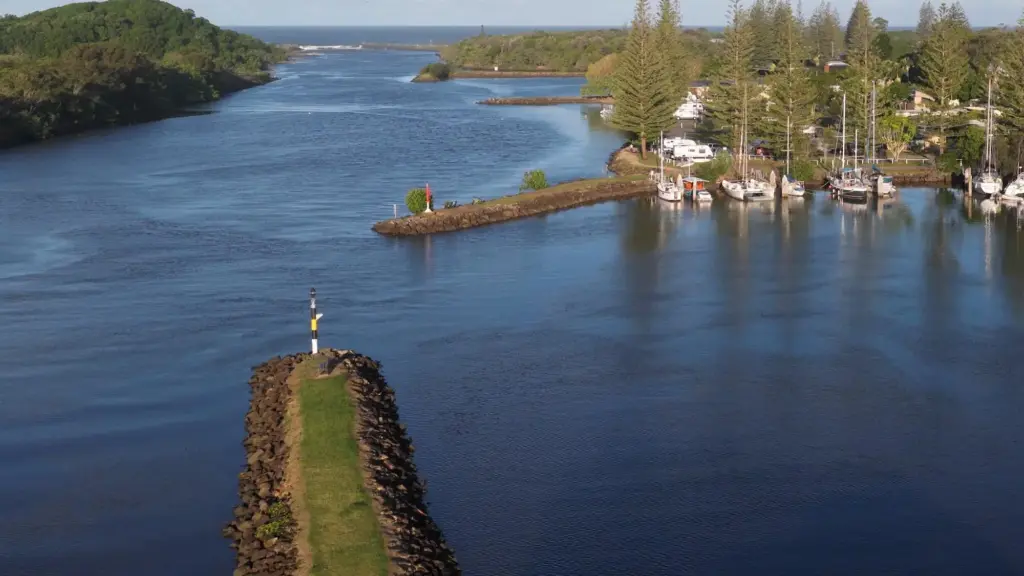
Combine a merino base with a lofty fleece or light synthetic puffer, then seal heat using a windproof shell that won’t flap wildly. Trimmer profiles prevent snagging while poling or stepping ashore. Avoid damp cotton; modern fibers retain warmth when splashed and dry quickly during tea breaks under trees.
A lined beanie or earband shields from whistling gusts, while a neck gaiter softens collars and seals drafts. Choose grippy gloves with water-resistant palms so poles and rails stay secure. Touchscreen-compatible fingertips help with maps and photos without exposing chilled skin during long, story-filled glides beneath ancient façades.
Pack a vacuum flask with tea or cocoa and share paper-cup sleeves to protect hands. A compact blanket spreads across knees without trailing, and disposable heat packs slide into mitts. Operators often carry spares; smilingly ask, then return neatly folded when sunshine reappears along the Backs’ bright lawns.
All Rights Reserved.